The VFX Gamble: DNEG, ReDefine and the CGI Debate
The visual effects are Ramayana's grandest promise and its most fiercely argued feature. Jubliz separates the craft from the noise, and places the debate in the long history of Indian spectacle.
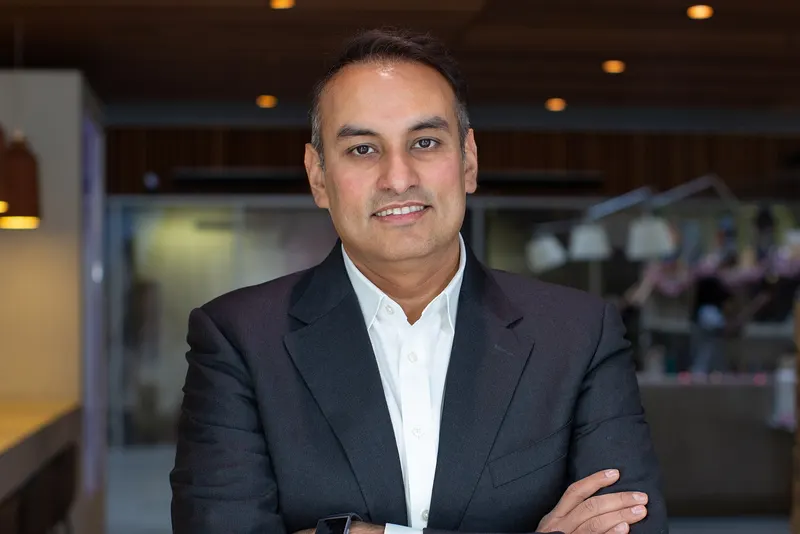
No Indian film has ever walked into cinemas carrying visual effects expectations quite like this one. Ramayana is produced by the founder of DNEG, the studio behind some of the most admired effects work of the past two decades. That pedigree has raised the bar so high that every frame released so far has been paused, zoomed, screenshotted and dissected by fans with the intensity of forensic analysts.
To understand why the stakes feel so high, it helps to look back before looking forward.
Then: India's long road to spectacle
Indian cinema has always loved the miraculous. Mythological films of the early sound era relied on stage tricks and in-camera illusions, and generations of viewers accepted painted skies and wire work as part of the magic. The digital revolution changed those expectations. Shankar's Enthiran (2010) and Anubhav Sinha's Ra.One (2011) showed that Indian studios could deliver modern computer generated action. Then S.S. Rajamouli's Baahubali films (2015 and 2017) proved that a homegrown epic, built largely by Indian effects artists, could become a national phenomenon and travel abroad.
The next decade brought both triumph and caution. Ayan Mukerji's Brahmastra Part One: Shiva (2022), also starring Ranbir Kapoor, used DNEG for its effects and pushed the scale of Hindi fantasy further than ever. Kalki 2898 AD (2024) showed the appetite for science fiction spectacle. But Adipurush (2023), another Ramayana adaptation, became a cautionary tale when its visual design was widely mocked. Audiences learned to judge mythological effects not only on polish but on whether they felt true to the culture they depict.
That is the landscape Ramayana enters: an audience that has seen what Indian effects can achieve, and has been burned before.
Now: the partners and the pipeline
Ramayana's visual effects are handled by DNEG and ReDefine, both part of the Prime Focus group, with Brahma AI supporting the production through real-time virtual workflows and AI research. DNEG has won eight Academy Awards for Best Visual Effects, including for Inception, Interstellar and the first two Dune films.
The workload is staggering. The film was reportedly planned with more than 600 days of post-production. Its effects span palaces and skies, forests and oceans, celestial weapons and mythical creatures. One of the most anticipated sequences is the battle between Ravana and Jatayu, the great bird who tries to rescue Sita. Early reports linked Amitabh Bachchan to the role, but in July 2026 it was confirmed that Anupam Kher voices Jatayu, and the trailer showed a computer generated Jatayu ambushing Ravana's Pushpaka Vimana, his flying chariot.
Built for the biggest screen
Ramayana was filmed for IMAX and will release in IMAX 3D. That format magnifies triumphs and flaws alike. The production's strategy has been to marry physical sets in Mumbai with digital extensions, so actors perform in real spaces while DNEG grows the world around them.
The effects pipeline also extends to language. Brahma AI's lip-sync technology is being used to support releases in dozens of languages, with reports ranging from nearly 40 to nearly 50 versions. If it works as promised, viewers in each market will see the actors appear to speak their own language, a genuine first for an Indian release on this scale and a potential model for the industry.
The backlash
The criticism began with the teaser, unveiled on Hanuman Jayanti, 2 April 2026. Ranbir Kapoor's first look as Rama was widely admired, but responses to the computer generated imagery were mixed to negative, with some viewers saying the visuals did not feel Indian enough for a film of this budget. One fan singled out the opening shot as poor while praising the rest.
The full trailer in July and the second trailer in mid October followed the same pattern. Fans celebrated shots such as Ravana facing Jatayu and called the scale unmatched, while others posted that certain moments were genuinely disappointing for a project with this reputation. The debate became so loud that it threatened, at times, to overshadow the performances.
The makers fight back
The team chose to answer rather than ignore its critics. Ranbir Kapoor took a public dig at CGI critics, defending the depth of work involved and pointing to the years Nitesh Tiwari and Namit Malhotra had spent on details as small as the colour of the sky. Malhotra described Ramayana as one of the most complex projects DNEG has ever undertaken. Tiwari told Collider that the effects were still receiving their finishing touches, and that some sequences had taken two and a half to three years to complete.
The defence is a familiar one in global filmmaking. Trailers often contain unfinished shots, compressed for phone screens and viewed out of context. Marvel and DC films have faced similar storms, only for the final cut to look markedly better. Whether Ramayana follows that pattern can only be judged in a cinema.
What the premiere crowd saw
The first reactions from the Los Angeles premiere on 27 October suggest the spectacle largely lands. Attendees repeatedly described the scale as colossal, and one compared it to The Lord of the Rings. The reservations were more nuanced: a few viewers felt that visual ambition sometimes runs ahead of storytelling, some noticed green screen in certain scenes, and one reviewer described some of the asuras as cartoonish. Those are notes, not a verdict.
Next: the war still to come
If Part One is the visual introduction, Part Two is the real test. The concluding chapter must deliver the bridge to Lanka, Hanuman's flight, the burning of Lanka and the great war. Bollywood Hungama has reported that the second film needs more shooting time for its large-scale war sequences and may move to Diwali 2028. If true, the delay would give DNEG precious time to perfect the most demanding effects in the saga.
Jubliz takeaway: The VFX debate is, at heart, a debate about trust. If the finished film looks as glorious in IMAX as the premiere crowd suggests, trailer criticism will fade within a weekend. If it does not, it will become the film's defining weakness, and a lesson for every Indian epic that follows.