Why Disney paid US$7.4 billion for the studio behind Toy Story
Disney had distributed Pixar’s biggest films for years. Buying the studio turned that partnership into a bet on the people and processes behind those hits.
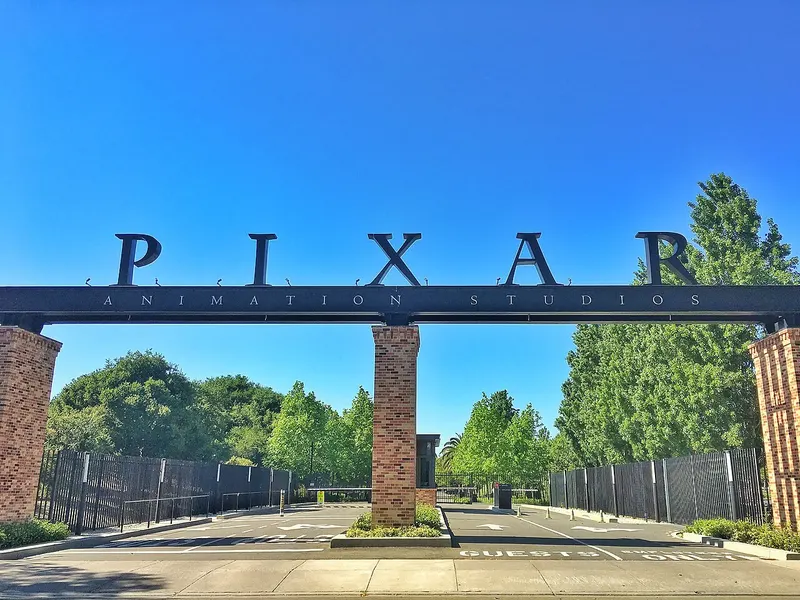
When Woody and Buzz arrived in cinemas in 1995, their names appeared under two familiar logos. Pixar made Toy Story, and Disney brought it to audiences. The partnership delivered a run that included Finding Nemo and The Incredibles. By January 2006, Disney was ready to buy the company it had spent years working alongside.
Disney already knew what Pixar could deliver
Disney and Pixar first signed a feature-film agreement in 1991. By the time Disney announced its offer, the companies had proved that computer-animated films could draw a broad family audience across a string of original stories. A toy cowboy, a forgetful blue tang and a family of superheroes had each found their own audience.
The partnership also showed where each company contributed. Pixar developed and made the films. Disney supplied distribution and marketing, and had the reach to carry characters into shops and theme parks. The proposed all-stock acquisition valued Pixar at US$7.4 billion, or US$6.3 billion after deducting Pixar’s cash.
Who would run animation?
Disney’s announcement spelled out an unusual leadership arrangement. Pixar president Ed Catmull would oversee both Pixar and Disney animation, and John Lasseter would become chief creative officer of both studios. Steve Jobs, then Pixar’s chairman and chief executive, would join Disney’s board. The companies planned to keep their separate studio operations and locations.
The appointments mattered because they gave Pixar’s leadership a role in shaping Disney’s own animation business. A catalogue can fill a release calendar with familiar titles for a while. Disney was also paying for the chance to keep developing original films with the people behind a proven run of them.
The deal that came before Marvel
Disney would later buy Marvel for its thousands of characters and Lucasfilm for a portfolio led by Star Wars. Pixar already had famous characters of its own, but the 2006 announcement made it clear how much Disney valued the studio’s creative leadership. It wanted to keep making Pixar films in Emeryville and give the people who made them a say in what happened at Disney Animation, too.