How Disney bought Marvel for US$4 billion and Fox for US$71 billion
How did Disney transform itself from an animation and family entertainment giant into one of the most powerful companies in Hollywood? Two historic acquisitions provide much of the answer.
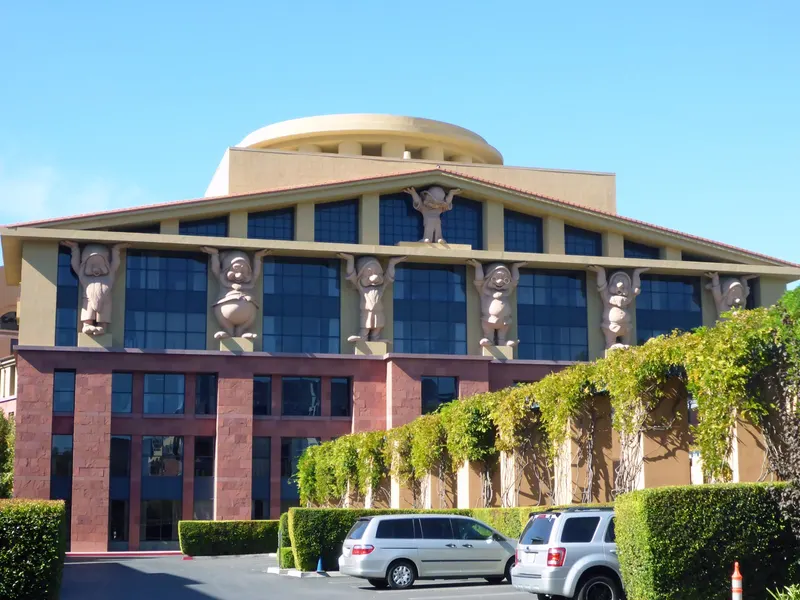
In 2009, The Walt Disney Company announced a deal to buy Marvel Entertainment for about US$4 billion. Disney reported a US$4.2 billion purchase price at closing. Ten years later, it bought most of 21st Century Fox’s entertainment assets after agreeing to pay US$71.3 billion in cash and shares.
These deals reshaped Hollywood, brought some of the world's most recognisable entertainment franchises under one corporate umbrella, and helped Disney prepare for the streaming revolution.
But why did Marvel agree to sell? What did the Murdochs keep? And why was Disney willing to spend such extraordinary sums?
The answers reveal a remarkable story of corporate strategy, competition, intellectual property and the changing economics of entertainment.
Why Disney Wanted Marvel
By 2009, Disney was already a global entertainment powerhouse. Its animated films, theme parks, television networks and consumer products generated billions in revenue.
However, then-CEO Bob Iger recognised an opportunity to expand Disney's appeal, particularly among boys, teenagers and young adult audiences.
Marvel offered exactly that.
With a library of more than 5,000 characters, including Iron Man, Captain America, Thor, Hulk and the Avengers, Marvel possessed intellectual property that could support decades of films, television programmes, merchandise, games and attractions.
The release of Iron Man in 2008 had demonstrated the potential of Marvel's strategy of developing interconnected superhero films.
Rather than purchasing a conventional film studio, Disney was acquiring an extraordinary collection of characters and stories.
Why Marvel Agreed to Sell
Marvel's journey to Disney ownership was far from straightforward.
During the 1990s, Marvel experienced severe financial difficulties and filed for bankruptcy protection in 1996. The company subsequently restructured and gradually rebuilt its business.
For years, Marvel had licensed film rights to outside studios, allowing companies such as Sony and Fox to develop films based on its characters.
Marvel later established its own film production strategy, culminating in the success of Iron Man.
By 2009, Marvel was no longer a struggling company. It had valuable intellectual property, an increasingly successful film strategy and substantial growth potential.
Nevertheless, Disney offered important advantages: global marketing infrastructure, established distribution relationships, consumer-products expertise and access to a vast international audience.
The acquisition also offered Marvel shareholders a significant financial return through cash and Disney shares.
Disney announced the acquisition on 31 August 2009 and completed it on 31 December that year.
The Problem Disney Could Not Immediately Solve
Although Disney now owned Marvel Entertainment, it did not automatically obtain unrestricted film rights to every Marvel character.
Sony retained film rights associated with Spider-Man, while 20th Century Fox controlled important rights relating to the X-Men and Fantastic Four.
These agreements complicated Disney's ambition to bring Marvel's major characters together on screen.
In 2015, Sony and Marvel Studios announced an agreement that allowed Spider-Man to appear in the Marvel Cinematic Universe.
However, the X-Men and Fantastic Four remained tied to Fox.
That situation would change dramatically a decade later.
Why Disney Decided to Buy 21st Century Fox
In December 2017, Disney announced an agreement to acquire a substantial portion of 21st Century Fox's entertainment businesses.
The proposed acquisition was much bigger than the purchase of Marvel.
Disney was seeking an established film studio, television production operations, internationally recognised franchises and valuable streaming-related assets.
Fox's portfolio included 20th Century Fox, FX, National Geographic interests, the Avatar franchise and film rights associated with the X-Men and Fantastic Four.
The deal also promised to give Disney a majority stake in Hulu.
Importantly, Disney was preparing to launch Disney+, its own direct-to-consumer streaming platform.
A larger content library would help Disney compete with Netflix, Amazon and other streaming services.
What the Murdochs kept
Rupert Murdoch had spent decades building a global media empire.
However, the entertainment industry was undergoing fundamental changes.
Streaming platforms were expanding rapidly, traditional television economics were changing, and the cost of competing internationally was increasing.
The proposed sale allowed 21st Century Fox shareholders to realise substantial value while leaving the Murdoch-controlled Fox Corporation focused on news, sports and broadcasting.
Fox News, Fox Business, the Fox broadcast network, and national sports networks including FS1 and FS2 went into the separate Fox Corporation.
The Bidding War: Disney Versus Comcast
The Fox acquisition nearly took a different direction.
In December 2017, Disney initially agreed to pay US$52.4 billion in stock.
However, Comcast, another major American media and telecommunications company, entered the contest.
In June 2018, Comcast offered US$65 billion in cash for the Fox assets.
Disney responded by raising its offer to US$71.3 billion in cash and shares.
The revised proposal gained the support of Fox's board.
Comcast subsequently withdrew from the bidding contest for those assets and concentrated on its pursuit of Sky.
The battle illustrated how valuable established entertainment libraries and international distribution businesses had become.
Disney completed the Fox acquisition on 20 March 2019.
What Disney Actually Acquired
The transaction brought several major assets into Disney's portfolio.
These included:
- 20th Century Fox's film operations, subsequently renamed 20th Century Studios.
- Fox's television production businesses.
- FX Networks and National Geographic interests.
- The Avatar franchise and extensive film and television libraries.
- Film rights associated with the X-Men, Fantastic Four and Deadpool.
- Fox's 30% ownership stake in Hulu, increasing Disney's stake to 60% at completion.
- Significant international entertainment interests.
The US Department of Justice required Disney to divest 22 regional sports networks to resolve competition concerns.
The acquisition expanded Disney's capabilities but also introduced substantial integration costs and financial obligations.
How Disney’s acquisitions fit together
Disney's acquisition history reveals a consistent strategy.
In 2006, Disney acquired Pixar in a deal announced at US$7.4 billion, strengthening its animation business.
In 2009, it acquired Marvel for approximately US$4 billion, obtaining an enormous library of superhero characters.
In 2012, Disney announced a US$4.05 billion deal for Lucasfilm, bringing Star Wars and Indiana Jones into its portfolio.
And in 2019, it completed the US$71.3 billion Fox transaction.
Each acquisition offered something different.
Pixar contributed animation expertise and successful storytelling franchises. Marvel supplied superhero intellectual property. Lucasfilm brought globally recognised entertainment franchises. Fox added production operations, extensive content libraries and international assets.
Together, these businesses helped Disney create an integrated entertainment model spanning cinema, television, streaming, merchandise, licensing and theme parks.
Was Marvel a Better Deal Than Fox?
The two acquisitions are difficult to compare directly.
Marvel was a relatively inexpensive purchase of intellectual property with considerable potential for future development.
Disney was able to expand the Marvel Cinematic Universe into one of cinema's most commercially successful franchises.
Fox, by contrast, was an enormous operating-business acquisition involving established studios, television networks, international holdings and substantial existing revenue.
Its strategic benefits extended well beyond Marvel characters.
However, the Fox acquisition also increased Disney's financial exposure and created complex integration challenges.
Marvel showed how much Disney could do with a library of characters. Evaluating Fox also means looking at the value of its television businesses, international operations and contribution to streaming.
How These Deals Changed Hollywood
Disney's expansion changed the competitive landscape of the entertainment industry.
The company gained access to more franchises, a deeper content library and greater opportunities to distribute entertainment through multiple channels.
For Marvel fans, the Fox transaction created opportunities to integrate previously separated characters into the Marvel Cinematic Universe.
For streaming audiences, the acquisitions helped Disney build a substantial catalogue for Disney+ and its broader streaming operations.
For competitors, the transactions demonstrated the growing importance of owning valuable intellectual property rather than relying exclusively on licensed content.
At the same time, Disney's increased scale raised questions about industry consolidation, competition and the concentration of entertainment assets.
The Business Lesson Behind Disney's Acquisitions
Disney's Marvel and Fox purchases demonstrate the long-term value of owning intellectual property.
A successful character or franchise can generate revenue repeatedly through films, series, licensing, consumer products, attractions and new distribution technologies.
However, ownership alone does not guarantee success.
Companies must continue investing in storytelling, audience engagement, technology and creative talent.
Disney's experience also demonstrates that acquisitions vary enormously in complexity. Buying a collection of valuable characters is very different from integrating a multinational entertainment business.
Ultimately, the Marvel and Fox deals were about more than superheroes or movie studios.
They were about positioning Disney for a future in which valuable stories, recognised brands and direct relationships with audiences would become increasingly important.
From a US$4 billion Marvel acquisition to a US$71.3 billion Fox transaction, Disney helped redefine the economics and competitive structure of modern Hollywood.